
Quick Facts
- Prevents Flash Flooding – Regular cleaning improves water flow and reduces overflow risks during Malaysia’s heavy rainfall seasons.
- Reduces Drain Blockages – Removes mud, grease, leaves, and debris that commonly cause underground drainage system failures.
- Improves Public Hygiene – Helps eliminate foul odours, stagnant water, mosquito breeding, and harmful bacteria around properties.
- Extends Drainage System Lifespan – Routine inspections and maintenance reduce structural damage, corrosion, and expensive emergency repairs.
- Supports Environmental Safety – Proper drainage maintenance minimises water contamination and supports cleaner urban infrastructure in Malaysia.
Drainage systems play a major role in keeping commercial, industrial, and residential areas clean and safe in Malaysia. However, many property owners only pay attention to underground drainage when flooding, foul odours, or blockages happen. In this blog, we will discuss why regular maintenance matters, warning signs to watch for, practical inspection tips, cleaning schedules, and the latest maintenance practices used today. We will also cover how professional support can help reduce costly repairs and improve long-term drainage performance.
Malaysia’s tropical climate brings heavy rainfall throughout the year. As a result, drainage systems can easily become clogged with mud, leaves, grease, and accumulated sediment over time. Without proper upkeep, these systems may fail during peak rain periods and lead to serious drainage issues.
Why Regular Drainage Maintenance Matters in Malaysia
Urban development in Malaysia continues to grow rapidly. Shopping malls, factories, restaurants, office buildings, and residential communities all rely on efficient underground drainage systems. Poor maintenance can result in water overflow, unpleasant smells, mosquito breeding, and environmental pollution.
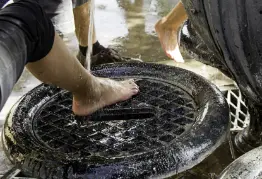
Routine Manhole & Catch Basin Cleaning helps ensure smooth water flow and prevents unnecessary disruptions. It also supports compliance with local environmental and safety requirements.
For businesses, neglected drainage systems can affect daily operations and even damage company reputation. A flooded parking lot or overflowing drain during business hours can create a negative impression on customers and visitors.
Modern facilities are now focusing more on stormwater management, drain cleaning services, and preventive drainage maintenance to avoid costly emergency repairs.
Common Signs Your Drainage System Needs Attention
Many drainage issues start small before becoming major problems. Recognising early warning signs can help prevent expensive repairs later.
1. Slow Water Drainage
If rainwater takes longer to clear from roads, parking areas, or compounds, sediment build-up may already be restricting water flow.
2. Strong Unpleasant Odours
Bad smells coming from drains or underground access points usually indicate trapped waste, stagnant water, or bacterial growth.
3. Frequent Flooding During Rain
Malaysia’s heavy rain can quickly expose weak drainage maintenance practices. Minor flooding during moderate rainfall often signals blocked drainage pathways.
4. Visible Debris Accumulation
Leaves, plastic waste, grease, and mud around drainage openings are signs that cleaning schedules may not be sufficient.
5. Pest and Mosquito Problems
Standing water inside drainage systems creates ideal breeding grounds for mosquitoes and pests, especially in humid environments.
Essential Checklist for Effective Drainage Maintenance
A structured maintenance checklist helps property owners stay proactive instead of reactive. Here are the key steps recommended for effective drainage upkeep.
Schedule Routine Inspections
Regular inspections help identify cracks, blockages, corrosion, and sediment accumulation before they become severe. Many Malaysian facilities now conduct inspections quarterly due to unpredictable weather patterns.
Professional inspection teams may use CCTV drain inspection technology to detect hidden issues inside underground systems without extensive excavation.
Remove Sediment and Debris
Mud, sand, leaves, and rubbish can gradually reduce drainage efficiency. Timely removal prevents water backup and improves overall flow capacity.
Properties located near construction sites or busy roads may require more frequent cleaning because debris accumulation tends to happen faster.
Check Structural Conditions
Underground drainage systems are constantly exposed to moisture, pressure, and chemical reactions. Over time, concrete surfaces, covers, and joints may weaken.
Routine structural checks help detect:
- Cracks
- Corrosion
- Loose covers
- Pipe misalignment
- Surface collapse risks
Addressing these issues early can prevent costly emergency repairs.
Monitor Oil and Grease Build-Up
Commercial kitchens, workshops, and industrial facilities commonly face grease accumulation problems. Oil and grease can harden over time and block water movement.
Preventive cleaning helps avoid severe clogging and unpleasant odours.
Maintain Proper Water Flow
Proper drainage flow is essential during Malaysia’s monsoon seasons. Stagnant water can create health risks and increase maintenance costs.
Ensuring water flows freely through underground systems reduces the risk of sudden overflow during heavy rainfall.
The Growing Trend of Preventive Maintenance
Many businesses in Malaysia are now shifting towards preventive maintenance instead of waiting for emergencies. This approach helps reduce downtime and unexpected repair expenses.
Preventive maintenance programmes often include:
- Scheduled inspections
- High-pressure water jetting
- Vacuum suction cleaning
- Digital reporting
- CCTV inspections
- Emergency response planning
This trend is becoming especially popular among shopping centres, industrial parks, hospitals, and commercial properties.
Companies are also investing more in underground drainage solutions, industrial drain cleaning, and sewer maintenance services to improve operational efficiency.
Why Professional Cleaning Services Are Important
Although some minor drainage maintenance can be handled internally, professional expertise is still necessary for deeper underground cleaning work.
Experienced providers use specialised equipment designed for efficient debris removal and safe underground access. They also follow safety procedures to minimise risks during confined space operations.
Professional Manhole Services are especially valuable for:
- Commercial buildings
- Factories
- Restaurants
- Government facilities
- Residential developments
- Construction projects
Working with trained specialists also helps property owners comply with local environmental and workplace safety standards.
If you are looking for professional drainage maintenance support, you can explore these services here:
https://sewerage.my/manhole-catch-basin-cleaning/
Modern Equipment Used in Drainage Cleaning
Technology has significantly improved drainage maintenance efficiency in recent years. Modern cleaning methods are faster, safer, and more accurate compared to traditional manual cleaning methods.
Some commonly used technologies include:
High-Pressure Water Jetting
This method uses powerful water pressure to break down stubborn blockages, grease, and debris inside drainage systems.
Vacuum Suction Trucks
Vacuum systems efficiently remove sludge, mud, and waste materials from underground chambers without causing additional mess.
CCTV Inspection Systems
Specialised cameras allow technicians to inspect underground pipelines and identify hidden damage or blockage points.
Digital Maintenance Reporting
Many service providers now offer digital reports with inspection findings, maintenance records, and recommendations for future action.
Today, advanced drain jetting services and commercial drainage cleaning solutions are widely used across Malaysia for faster and safer maintenance operations.
Best Maintenance Frequency for Malaysian Properties
The ideal cleaning schedule depends on the property type, surrounding environment, and drainage usage level.
| Property Type | Suggested Maintenance Frequency |
| Residential Areas | Every 6–12 months |
| Restaurants & Food Facilities | Every 3–6 months |
| Commercial Buildings | Every 3–6 months |
| Industrial Facilities | Every 2–4 months |
| Construction Sites | Monthly or as needed |
Properties exposed to heavy rainfall, tree coverage, or construction debris may require more frequent inspections.
Environmental Benefits of Proper Drainage Maintenance
Well-maintained drainage systems support cleaner communities and healthier environments. Blocked systems can release polluted water into public drains and nearby waterways.
Regular maintenance helps:
- Reduce water contamination
- Prevent foul odours
- Improve public hygiene
- Minimise flood risks
- Support sustainable urban infrastructure
As Malaysia continues focusing on environmental sustainability, proper drainage management is becoming increasingly important for businesses and property owners alike.
Conclusion
Effective drainage maintenance is not just about preventing blockages. It is about protecting property, improving public hygiene, reducing flood risks, and ensuring smooth daily operations. With Malaysia’s frequent rainfall and rapid urban development, proactive maintenance has become more important than ever.
Regular inspections, preventive cleaning, and professional support can help extend the lifespan of underground drainage systems while reducing unexpected repair costs. Book services.
FAQ
1. Why is catch basin cleaning important in Malaysia?
Malaysia experiences frequent heavy rain, causing drains to collect debris quickly. Regular cleaning helps prevent flooding, water overflow, foul odours, and drainage system damage in commercial and residential areas.
2. How often should drainage systems be cleaned?
Cleaning frequency depends on property type and surrounding conditions. Commercial and industrial facilities usually require maintenance every three to six months to maintain proper water flow and prevent blockages.
3. What are the signs of a blocked drainage system?
Common warning signs include slow drainage, unpleasant smells, standing water, mosquito presence, and flooding during rainfall. These issues usually indicate sediment build-up or blocked underground drainage pathways.
4. What equipment is used for professional drain cleaning?
Professional cleaning companies use high-pressure water jetting, vacuum suction trucks, and CCTV inspection systems to remove debris, inspect pipelines, and improve underground drainage system performance safely.
5. Can preventive drainage maintenance reduce repair costs?
Yes. Preventive maintenance helps detect minor issues early, reducing the risk of severe blockages, structural damage, emergency repairs, and costly operational disruptions for property owners and businesses.