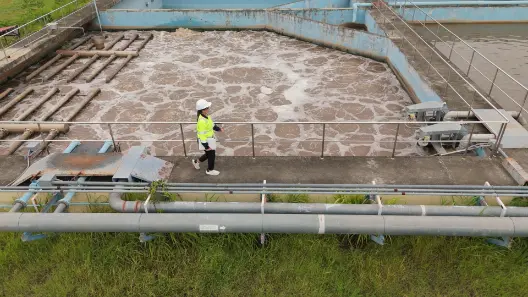
Quick Summary:
- Treats wastewater effectively: A Sewage Treatment Plant(STP) treats sewage before discharge and helps reduce harmful pollutants.
- Reduces environmental risks: Proper treatment supports cleaner surroundings and helps properties meet relevant environmental compliance requirements.
- Prevents blockages and overflows: Regular maintenance can reduce the risk of sewage backups, blockages and unpleasant odours.
- Improves system reliability: Preventive maintenance, sludge control and performance monitoring help keep the sewerage system operating efficiently.
- Supports sustainable management: Effective wastewater management helps residential, commercial and industrial properties manage sewage more efficiently and sustainably.
Why Is Wastewater Management Important for Malaysian Properties?
Every property produces wastewater. Residential buildings generate wastewater from toilets, bathrooms, kitchens and laundry areas. Commercial properties such as hotels, shopping centres and offices can produce larger and more variable wastewater flows. Industrial premises may have additional wastewater characteristics that require careful assessment.
Without proper management, untreated or poorly treated sewage can contribute to unpleasant smells, blocked pipelines, overflowing manholes and environmental pollution.
For Malaysian property owners, wastewater management is therefore not simply about removing sewage from a building. It involves collecting, treating, monitoring and maintaining wastewater infrastructure so that the system continues to perform properly.
Malaysia’s Department of Environment lists the Environmental Quality (Sewage) Regulations 2009 as part of its environmental regulations. The regulations also recognise concepts such as performance monitoring and population equivalent in relation to sewage treatment systems.
1. Improves Wastewater Treatment Before Discharge
The main function of a treatment plant is to treat sewage before the treated effluent is discharged.
A suitable treatment process can reduce suspended solids and organic pollutants. Depending on the application and receiving environment, additional treatment processes may also be required.
Indah Water Konsortium explains that domestic sewage treatment is primarily designed to produce effluent with low solids and organic content, while additional treatment may be used for factors such as nutrients, pH and disinfection. Effluent is also sampled and tested as part of monitoring programmes.
For Malaysian properties, this controlled treatment process provides a more reliable approach to effluent treatment than simply allowing wastewater to enter the environment without adequate treatment.
2. Helps Protect Water and the Surrounding Environment
Improper wastewater disposal can affect drains, waterways and surrounding land. A properly operating treatment system helps reduce the amount of pollutants entering the environment.
This is increasingly important as businesses and property developers pay greater attention to environmental sustainability, pollution control and sustainable wastewater solutions.
A well-managed treatment plant can become an important part of a property’s overall environmental management strategy. It helps property owners take responsibility for wastewater rather than treating sewage management as an afterthought.
3. Helps Control Odours and Overflow Problems
Unpleasant sewage odours are often a warning sign that a drainage or treatment system requires attention.
Odour problems may occur because of sludge accumulation, poor aeration, stagnant wastewater, grease or blockages. If these problems are left unresolved, they may eventually contribute to backups or overflows.
Regular inspections and maintenance can help property managers identify these issues earlier.
Professional sewerage cleaning service support can also help remove accumulated debris, grease and other materials from connected sewer lines. This can improve wastewater flow and reduce the likelihood of avoidable blockages.
4. Improves Treatment Plant Performance
Installing a treatment plant is only the beginning. The system must be properly operated and maintained throughout its service life.
Pumps, blowers, aeration equipment, electrical components, tanks and other mechanical parts require regular inspection. Sludge and scum also need to be managed appropriately.
This is where STP maintenance becomes important.
Regular maintenance allows property managers to identify equipment problems before they become major failures. It can also support more consistent treatment performance and potentially extend the operating life of the equipment.
The Department of Environment also provides guidance relating to performance monitoring of sewage treatment systems, highlighting the importance of monitoring treatment-system performance rather than relying solely on installation.
5. Helps Match Treatment Capacity to Property Requirements
Different properties produce different wastewater volumes.
A small residential development will have different requirements from a hotel, hospital, shopping complex, factory or large mixed development.
This is why sewage treatment plant design should consider factors such as:
- Number of occupants or users
- Average wastewater flow
- Peak wastewater flow
- Property type
- Wastewater characteristics
- Available installation area
- Future development plans
- Maintenance requirements
Population equivalent is an important consideration when assessing sewage flow and treatment requirements.
This is particularly relevant for growing developments. A recent 2026 DOE project record in Johor Bahru, for example, describes a proposed upgrade of an existing treatment plant from 36,667 PE to an ultimate capacity of 110,000 PE to accommodate wastewater generated by ongoing and proposed development.
This shows why property owners should consider both current and future wastewater demand when planning treatment infrastructure.
6. Makes Preventive Maintenance More Valuable
Waiting until a sewage system fails can result in emergency repairs, unpleasant odours, disruption and additional costs.
Preventive maintenance takes a different approach.
Instead of waiting for a pump to stop working or a sewer line to overflow, property managers can schedule regular inspections, cleaning, desludging and equipment checks.
This can help identify developing issues before they become serious.
A preventive maintenance programme may include:
- Treatment plant inspections
- Pump and blower checks
- Sludge level monitoring
- Tank cleaning
- Pipeline inspection
- Manhole inspection
- Equipment servicing
- Effluent monitoring
For property owners, this creates a more predictable approach to sewerage system maintenance and can make operational planning easier.
7. Supports Better Sludge Management
Sludge is a natural part of the sewage treatment process, but it cannot simply be ignored.
Excess sludge can affect treatment efficiency and reduce the available capacity of tanks. If sludge management is neglected for too long, it can contribute to odour problems and operational difficulties.
Proper sludge management should therefore be included in the property’s wastewater maintenance plan.
The Malaysian sewage regulations specifically define sludge and include provisions relating to sewage treatment and management, reinforcing the importance of handling treatment by-products appropriately.
Regular assessment can help determine when desludging or other maintenance work is required.
8. Helps Support Environmental Compliance
Environmental compliance is an important consideration for Malaysian property owners and facility managers.
The Environmental Quality (Sewage) Regulations 2009 establish requirements relating to sewage and discharge, while the Department of Environment also provides guidance on sewage treatment system performance monitoring.
A properly maintained Sewage Treatment Plant(STP) can support property owners in managing their wastewater treatment responsibilities.
However, compliance should not be viewed simply as a paperwork exercise. Actual plant performance, regular monitoring, maintenance and appropriate operation all contribute to responsible wastewater management.
9. Combines Treatment With Sewer Network Maintenance
A treatment plant does not operate independently.
Wastewater must first travel through pipes, drains, manholes and other components before reaching the treatment system. If these connected systems develop blockages or other problems, the treatment plant may not receive wastewater as intended.
This is why property managers should consider the entire sewerage system rather than focusing only on the treatment equipment.
A professional sewerage cleaning service can complement treatment plant maintenance by helping manage blockages, grease, sediment and other materials within connected sewer lines.
When the treatment plant and sewer network are maintained together, the overall system can operate more reliably.
10. Supports Sustainable Property Management
Sustainability is becoming a bigger consideration in Malaysian property development and facility management.
Effective wastewater management can contribute to green building practices, environmental responsibility and more efficient property operations.
The objective is not simply to install the latest equipment. Long-term sustainability depends on selecting an appropriate system, operating it correctly and maintaining it consistently.
Property managers should also consider energy consumption, maintenance requirements, sludge handling and future capacity when assessing treatment solutions.
This broader approach can help turn wastewater management from a reactive maintenance task into part of a property’s long-term operational strategy.
11. Allows Properties to Prepare for Future Development
Property expansion can significantly change wastewater requirements.
For example, a residential project may add new blocks, a hotel may increase its room capacity, or a commercial development may attract more tenants.
If the existing system was designed only around current demand, future increases in wastewater flow could place additional pressure on the treatment plant.
Therefore, wastewater infrastructure planning should consider future occupancy and development wherever possible.
Early planning can make future upgrades more manageable and help property owners avoid unnecessary system limitations.
12. Provides a More Structured Approach to Wastewater Management
The biggest benefit of a treatment plant is not simply the equipment itself. It is the structured process it provides for managing wastewater.
With suitable treatment, regular monitoring, scheduled cleaning and preventive maintenance, property owners can better understand how their wastewater system is performing.
This approach can help reduce unexpected problems while supporting cleaner and more responsible property operations.
For property owners considering installation, replacement or upgrading, you can explore the available Sewage Treatment Plant(STP) services to understand the treatment solutions available for different property requirements.
Improving Wastewater Management in Malaysia
A properly designed and maintained treatment system can significantly improve wastewater management for Malaysian properties. It can help improve effluent quality, reduce environmental risks, control odours, minimise overflow problems and support responsible property management.
However, installation alone is not enough. STP maintenance, sludge management, sewer cleaning, equipment inspection and performance monitoring all play an important role in keeping the system reliable.
As Malaysian developments continue to grow, proper wastewater infrastructure planning is also becoming increasingly important. Current DOE project records show that treatment plant capacity upgrades are already being planned for developments with increasing wastewater requirements.
If you are planning a new treatment system, upgrading an existing plant or looking for professional wastewater management support, contact the team to discuss your property’s requirements and identify a suitable solution.
People May Ask
1. What is the main purpose of a sewage treatment plant in Malaysia?
The main purpose is to treat sewage and reduce pollutants before treated effluent is discharged. This supports better wastewater management and helps protect the surrounding environment.
2. How often should a sewage treatment plant be maintained?
The required frequency depends on the plant design, wastewater volume, equipment and operating conditions. Regular inspections and planned servicing are generally better than waiting for a breakdown.
3. Can a treatment plant reduce sewage odours?
Yes. Proper treatment, aeration, sludge management and routine cleaning can help reduce conditions that contribute to unpleasant sewage odours.
4. Do Malaysian properties need to consider environmental regulations?
Applicable properties need to consider relevant Malaysian environmental requirements. The Environmental Quality (Sewage) Regulations 2009 provide requirements relating to sewage management and discharge.
5. Why is sewer cleaning important when a property has a treatment plant?
The treatment plant and sewer network work together. Cleaning can help manage blockages, grease, sediment and debris in connected pipelines, supporting smoother wastewater flow and reducing the risk of backups.